How Pizzerias Operate
The operation of a pizzeria involves a complex interplay of kitchen workflows, customer service protocols, and management systems that work together to create a seamless dining experience. While each establishment may have its own unique approach, certain fundamental operational principles are common across most pizzerias in the United States. Understanding these operations provides insight into how these beloved community institutions function on a daily basis.
Kitchen Workflow and Organization
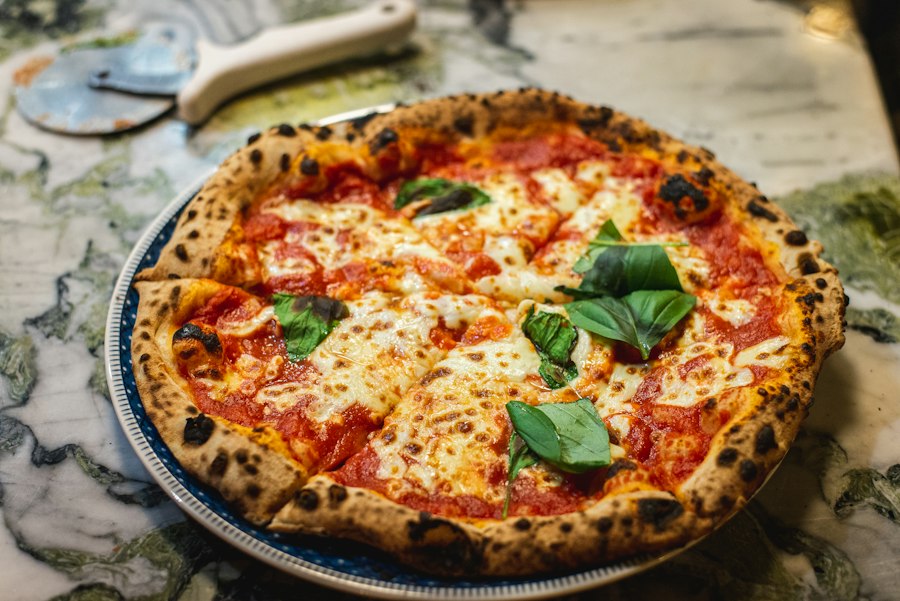
The kitchen is the heart of any pizzeria, and its organization significantly impacts efficiency and product quality. Most pizzeria kitchens are designed around a linear workflow that moves from preparation to cooking to plating. This workflow typically begins with the dough preparation station, where staff mix, knead, and portion dough according to established recipes and demand forecasts. Proper dough management is crucial, as it often requires advance preparation and careful timing to ensure optimal fermentation and texture.
Following dough preparation, the sauce and topping stations are strategically positioned to facilitate efficient pizza assembly. These stations are stocked with pre-prepared ingredients that are organized for easy access during busy service periods. Experienced kitchen staff develop efficient routines for topping pizzas, ensuring consistent portioning and even distribution while maintaining speed and accuracy. The assembly area is typically located close to the ovens to minimize the distance pizzas must travel before baking.
The baking station represents the culmination of the kitchen workflow. Pizza ovens are maintained at specific temperatures to achieve optimal cooking results, and oven operators must carefully monitor cooking times to ensure pizzas are cooked perfectly. In busy pizzerias, multiple ovens may operate simultaneously, with staff managing a rotation of pizzas to maintain continuous output. The coordination between different kitchen stations requires clear communication and teamwork, with each team member understanding their role in the overall process.
Preparation Processes and Standards
Behind the scenes, extensive preparation work occurs before and during service hours. Many pizzerias begin their day early, with staff arriving to prepare dough, sauces, and ingredients for the day's service. This preparation work is essential for maintaining consistency and quality, as it ensures that all components are ready when orders begin to arrive. The preparation process often follows strict recipes and procedures that have been developed through experience and refinement.

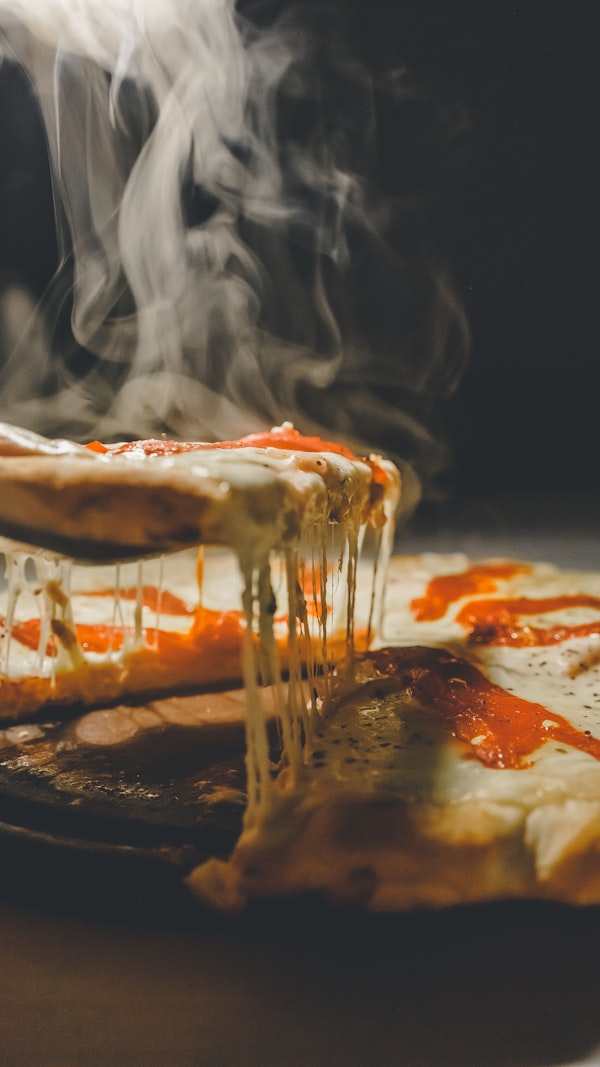
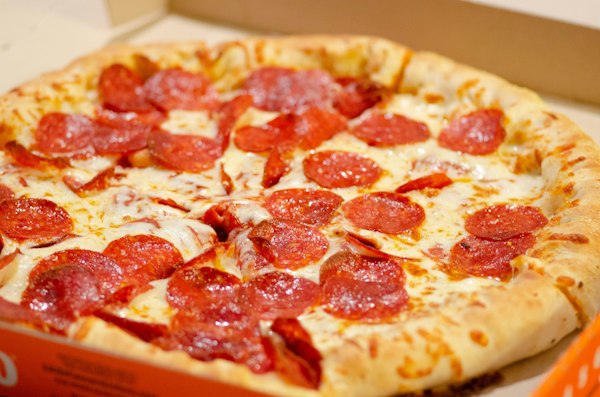
Ingredient preparation involves washing, cutting, and portioning various toppings to ensure they are ready for use during service. Vegetables must be sliced uniformly, meats cooked and seasoned appropriately, and cheeses grated or portioned according to specifications. This preparation work requires attention to detail and adherence to food safety standards to ensure that all ingredients are handled properly and maintained at appropriate temperatures.
Quality control is an integral part of the preparation process. Experienced staff regularly check ingredients for freshness, taste sauces for consistency, and monitor dough quality throughout the day. This ongoing quality assurance helps maintain the standards that customers expect and ensures that every pizza meets the establishment's criteria for excellence. Many pizzerias also implement systems for tracking ingredient usage and waste, allowing them to optimize their operations and reduce costs.
Customer Service Fundamentals
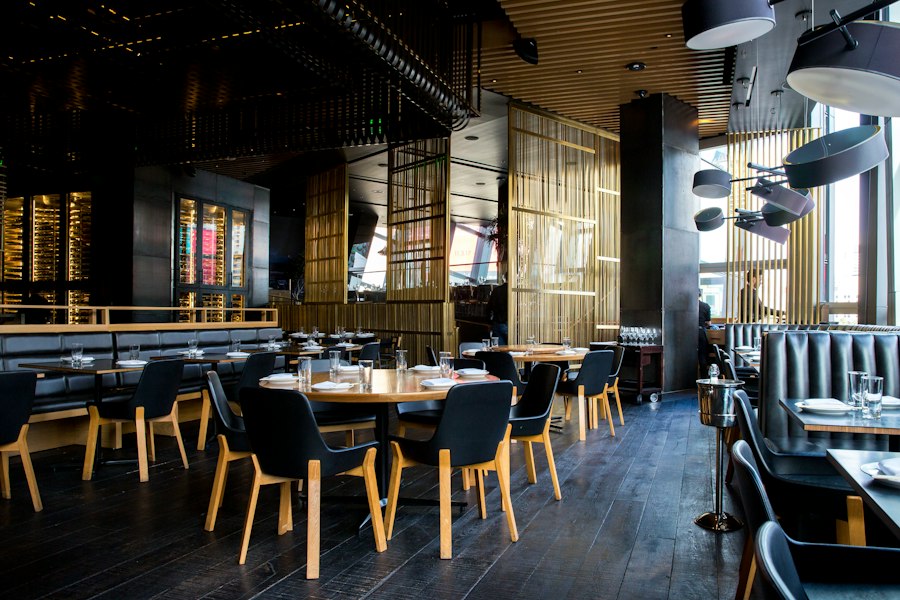
While the kitchen operations focus on food preparation, the front-of-house team manages customer interactions and service delivery. In dine-in pizzerias, this typically involves host staff who greet customers, manage seating arrangements, and coordinate with the kitchen to ensure smooth service flow. Servers take orders, answer questions about menu items, and ensure that customers have everything they need for an enjoyable dining experience.
For takeaway and delivery operations, customer service focuses on efficient order processing and accurate fulfillment. Order takers must be familiar with the menu, able to answer questions about ingredients and preparation methods, and skilled at upselling additional items when appropriate. They also coordinate with kitchen staff to ensure that orders are prepared in the correct sequence and that customers receive their food within expected timeframes.
Customer service in pizzerias extends beyond the immediate transaction. Building relationships with regular customers, handling complaints or concerns professionally, and creating a welcoming atmosphere all contribute to the overall customer experience. Many successful pizzerias emphasize personalized service, remembering customer preferences and making regular patrons feel valued and appreciated.
Typical Restaurant Structure
The organizational structure of a pizzeria typically includes several key roles that work together to ensure smooth operations. At the top is usually an owner or general manager who oversees the entire operation, making strategic decisions about menu development, pricing, marketing, and business growth. This person is responsible for the financial health of the establishment and ensures that all aspects of the business are functioning effectively.



The kitchen team is typically led by a head chef or kitchen manager who supervises food preparation, maintains quality standards, and manages kitchen staff. This person is responsible for menu execution, inventory management, and ensuring that food safety protocols are followed. Under the kitchen manager, various team members may specialize in different aspects of pizza preparation, such as dough making, sauce preparation, or oven operation.
The front-of-house team is usually led by a dining room manager or shift supervisor who coordinates service, trains staff, and handles customer relations. This team includes servers, hosts, and order takers who interact directly with customers. In larger establishments, there may also be dedicated staff for delivery coordination, catering management, or special events.
Inventory and Supply Chain Management
Effective inventory management is crucial for pizzeria operations. Establishments must maintain adequate supplies of ingredients while minimizing waste and spoilage. This requires careful planning and forecasting based on historical sales data, seasonal variations, and special events. Many pizzerias have established relationships with food suppliers who provide consistent quality and reliable delivery schedules.

Supply chain management involves ordering ingredients, monitoring deliveries, checking quality upon arrival, and storing items properly to maintain freshness. Perishable items require special attention, with strict rotation systems to ensure that older stock is used before newer deliveries. Non-perishable items must be kept in appropriate conditions to prevent spoilage or contamination.
Cost control is closely tied to inventory management. By tracking ingredient usage and waste, pizzerias can identify areas where efficiency can be improved and costs reduced. This might involve adjusting portion sizes, modifying preparation methods, or finding more cost-effective suppliers without compromising quality. Successful pizzerias strike a balance between maintaining high standards and managing expenses effectively.
Technology and Modern Operations
Modern pizzerias increasingly rely on technology to streamline operations and enhance customer service. Point-of-sale systems help track orders, manage payments, and generate sales reports that inform business decisions. Online ordering platforms and mobile apps have become essential tools, allowing customers to place orders conveniently and providing pizzerias with valuable data about ordering patterns and customer preferences.



Kitchen display systems have replaced traditional paper tickets in many establishments, showing orders electronically and helping kitchen staff prioritize and track progress. Delivery management software helps coordinate delivery drivers, optimize routes, and provide customers with real-time updates on their order status. These technological tools improve efficiency and accuracy while reducing the potential for errors.
Despite the increasing role of technology, the human element remains central to pizzeria operations. The skills, experience, and dedication of staff members ultimately determine the quality of both the food and the service. Technology serves as a tool to support and enhance human capabilities rather than replace them, allowing pizzerias to maintain their personal touch while benefiting from modern efficiencies.
Continuous Improvement and Adaptation
Successful pizzerias are constantly evaluating and improving their operations. This might involve refining recipes based on customer feedback, adjusting workflows to improve efficiency, or updating menus to reflect changing tastes and trends. Regular staff training ensures that team members are knowledgeable about procedures and equipped to provide excellent service.
Adaptation is particularly important in the face of changing market conditions and consumer preferences. Pizzerias that can pivot quickly—whether by offering new menu items, adjusting service models, or embracing new technologies—are better positioned to thrive in a competitive environment. This flexibility, combined with a commitment to quality and service, enables pizzerias to maintain their relevance and continue serving their communities effectively.