Popular Pizza Styles in the U.S.
The United States has developed a remarkable diversity of pizza styles, each reflecting regional preferences, local ingredients, and cultural influences. While pizza originated in Italy, American pizzerias have adapted and evolved the concept into numerous distinct styles that have become beloved across the country. These regional variations demonstrate how a simple concept can be interpreted in countless ways, creating a rich tapestry of pizza culture that spans the nation.
New York Style Pizza
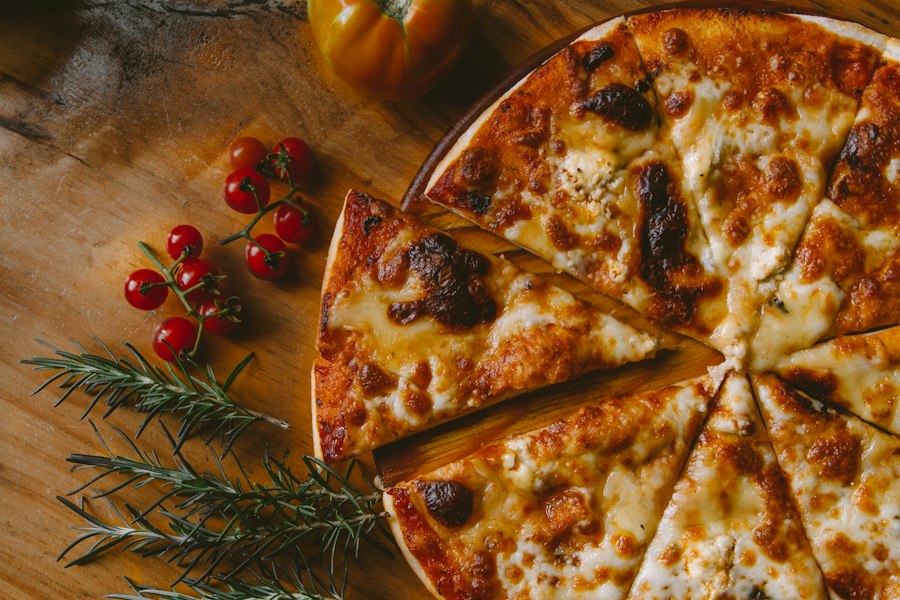
New York style pizza is perhaps the most iconic American pizza variety, known for its large, wide slices and thin, foldable crust. This style emerged in the early 20th century as Italian immigrants adapted their traditional recipes to suit New York City's fast-paced lifestyle. The crust is characteristically thin and crisp, yet pliable enough to be folded in half for easy eating—a practical adaptation for busy urban dwellers who often enjoyed their pizza while walking or standing.
The dough for New York style pizza typically contains high-gluten flour, which contributes to its characteristic texture and ability to hold toppings without becoming soggy. The sauce is usually simple and lightly applied, allowing the cheese and toppings to shine. Mozzarella cheese is the standard, often applied generously to create that classic cheese pull that New York pizza is famous for. This style is typically baked in gas-fired deck ovens at high temperatures, resulting in a slightly charred, leopard-spotted crust.
New York style pizza is designed for convenience and portability. The large slices make it easy to share, and the foldable nature of the crust allows for quick consumption without utensils. This practical approach to pizza has helped make New York style a favorite across the country, with pizzerias in virtually every city offering their interpretation of this classic style.
Chicago Deep Dish Pizza
Chicago deep dish pizza represents a dramatic departure from traditional thin-crust varieties. Developed in the 1940s, this style features a thick, buttery crust that rises up the sides of a deep pan, creating a vessel for generous layers of toppings. The construction of a Chicago deep dish pizza is unique: toppings are placed on the bottom, followed by cheese, and then sauce on top. This reverse layering helps prevent the crust from becoming soggy and ensures that the toppings cook evenly.
The crust of Chicago deep dish pizza is more akin to a buttery, flaky pastry than traditional pizza dough. It's often made with oil or butter, which contributes to its rich flavor and crisp texture. The substantial depth of the pizza allows for generous portions of toppings, making each slice a substantial meal. Because of the thickness and density of ingredients, deep dish pizza requires longer baking times, typically 30-45 minutes, which means it's less suited to quick service but perfect for leisurely dining experiences.
Chicago deep dish pizza has developed a passionate following, with debates about the best establishments and techniques common among enthusiasts. The style represents a distinctly American approach to pizza—bold, hearty, and unapologetically indulgent. While it may not be practical for everyday consumption, it remains a beloved special-occasion treat that showcases the creativity and diversity of American pizza culture.
California Style Pizza
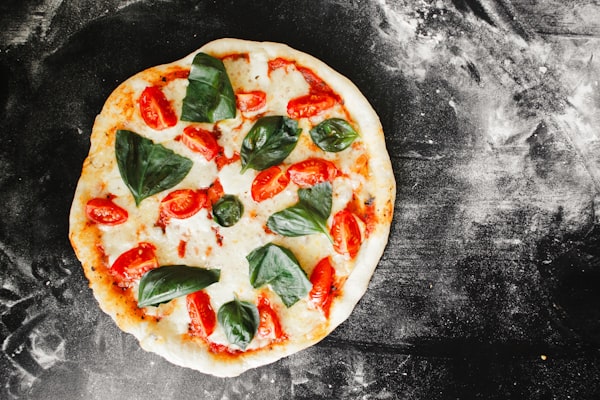
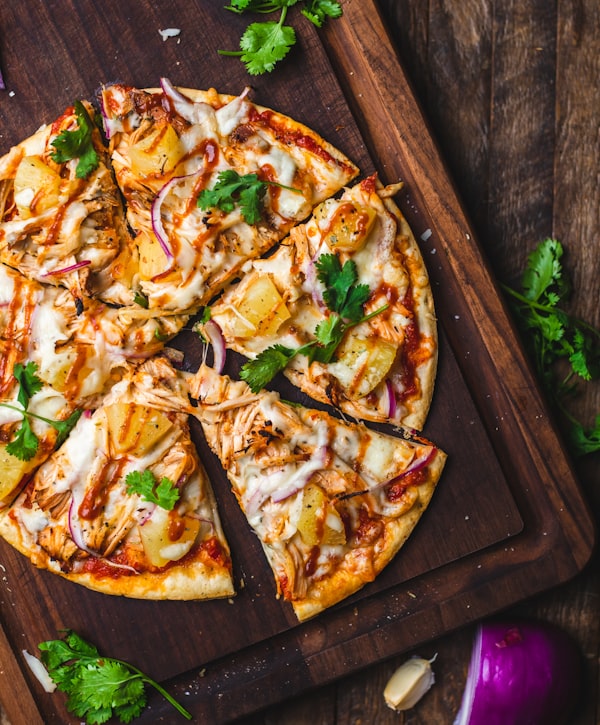
California style pizza emerged in the 1980s as part of the broader California cuisine movement, which emphasized fresh, local ingredients and innovative flavor combinations. This style is characterized by its use of non-traditional toppings and its focus on high-quality, often organic ingredients. California pizzas might feature ingredients like goat cheese, arugula, sun-dried tomatoes, or even barbecue chicken—toppings that would be unusual in more traditional styles.
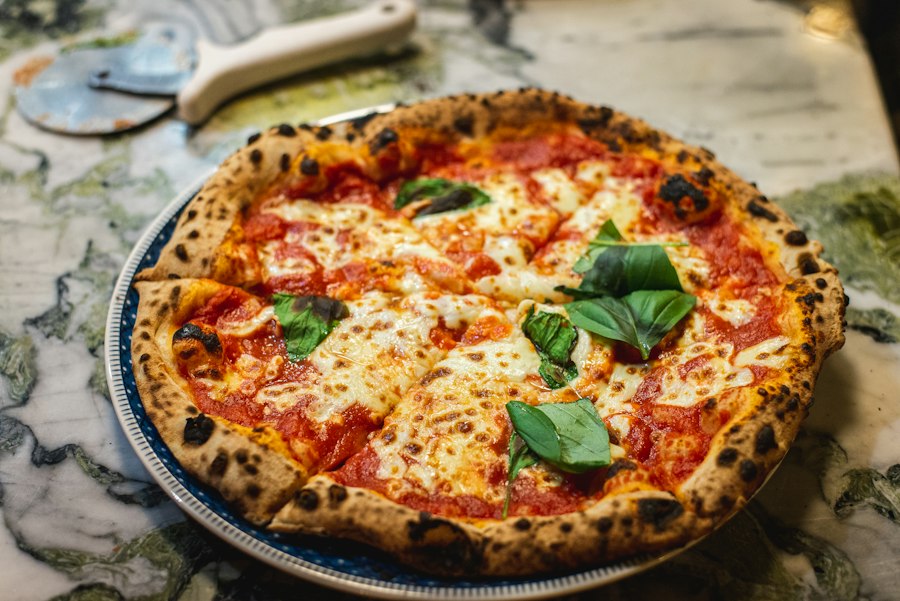
The crust of California style pizza is typically thin and artisanal, often made with high-quality flour and sometimes incorporating whole grains or seeds for added texture and nutrition. The sauce is usually applied lightly, allowing the flavors of the toppings to take center stage. Cheese selections go beyond traditional mozzarella to include varieties like gorgonzola, feta, or fresh ricotta, adding complexity and sophistication to the flavor profile.
California style pizza reflects the state's agricultural abundance and its culture of culinary innovation. By embracing seasonal ingredients and creative combinations, this style has expanded the definition of what pizza can be. It has influenced pizza culture nationwide, encouraging pizzerias across the country to experiment with new ingredients and approaches while maintaining respect for traditional techniques.
Neapolitan Style Pizza
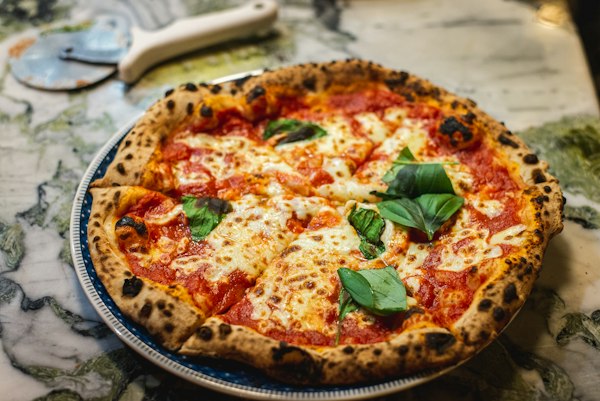
While Neapolitan pizza originated in Naples, Italy, it has found a dedicated following in the United States, particularly among food enthusiasts who appreciate its authenticity and simplicity. True Neapolitan pizza is governed by strict standards that specify ingredients, preparation methods, and cooking techniques. The crust is thin and soft, with a characteristic puffed edge called the cornicione, and it's cooked at extremely high temperatures in wood-fired ovens for just 60-90 seconds.
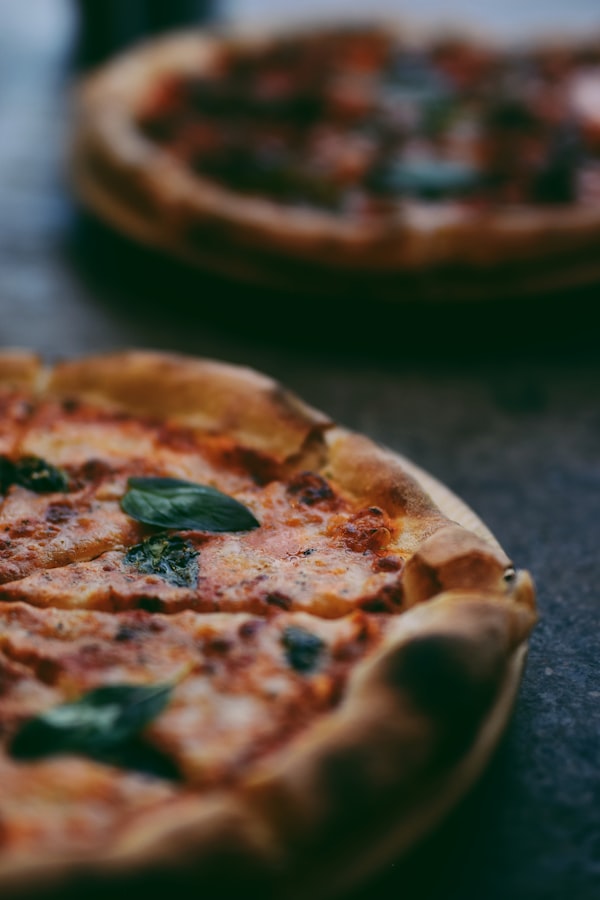
The dough for Neapolitan pizza is made with specific types of flour, water, salt, and yeast, with no added sugar or oil. It undergoes a long fermentation process, which develops complex flavors and creates a light, digestible crust. The sauce is typically made from San Marzano tomatoes, which are prized for their sweet flavor and low acidity. Cheese is usually fresh mozzarella, either fior di latte or buffalo mozzarella, applied in distinctive patterns.
Neapolitan pizza in the United States represents a commitment to tradition and craftsmanship. Pizzerias that specialize in this style often import ingredients from Italy and invest in specialized wood-fired ovens to achieve authentic results. The focus is on quality over quantity, with each pizza receiving individual attention and care. This style has educated American palates about the nuances of pizza and has elevated appreciation for the craft of pizza making.
Sicilian Style Pizza
Sicilian style pizza, also known as square pizza or focaccia-style pizza, features a thick, rectangular crust that is similar to focaccia bread. This style originated in Sicily but was adapted by Italian immigrants in the United States, particularly in the Northeast. The crust is airy and bread-like, with a crispy bottom and soft interior. It's typically baked in large rectangular pans and cut into square or rectangular slices.

The dough for Sicilian pizza is often allowed to rise for an extended period, which contributes to its characteristic thickness and airy texture. The sauce is usually applied generously, and the cheese is often a blend that includes mozzarella along with other varieties for added flavor. Because of its substantial crust, Sicilian pizza can support generous toppings without becoming overwhelmed, making it a favorite among those who prefer a heartier pizza experience.
Sicilian style pizza is particularly popular for takeout and delivery, as its thick crust holds up well during transport and reheats nicely. The square slices are convenient for sharing and provide a satisfying, substantial eating experience. This style demonstrates how regional Italian traditions have been preserved and adapted in American pizzerias, creating a bridge between old-world techniques and new-world preferences.
Crust Variations and Techniques
Beyond these regional styles, American pizzerias have developed numerous crust variations that cater to different preferences and dietary needs. Thin crust options range from the cracker-thin styles popular in the Midwest to the slightly thicker, more pliable crusts favored on the East Coast. Thick crust varieties include not only deep dish and Sicilian styles but also pan pizzas, which feature a thick, oily crust baked in shallow pans.
Stuffed crust pizza, which features cheese or other fillings inside the crust edge, represents another innovation that has gained popularity. This style adds an extra element of indulgence and creativity to the pizza experience. Other variations include whole wheat crusts, gluten-free options for those with dietary restrictions, and cauliflower crusts for low-carb alternatives. These adaptations demonstrate the ongoing evolution of pizza in response to changing consumer needs and preferences.
The cooking techniques used for different pizza styles also vary significantly. Wood-fired ovens impart a distinctive smoky flavor and create characteristic char marks on the crust. Gas deck ovens provide consistent heat and are widely used in many pizzerias. Conveyor ovens offer speed and consistency, making them popular in high-volume operations. Each cooking method contributes unique qualities to the final product, and pizzerias carefully select their equipment based on the style they aim to produce.
The Evolution of American Pizza Culture
The diversity of pizza styles in the United States reflects the country's multicultural heritage and its spirit of innovation. As immigrants from Italy and other countries brought their culinary traditions to American shores, they adapted their recipes to local ingredients and tastes. Over time, these adaptations evolved into distinct regional styles that have become part of America's culinary identity.
Today, pizza continues to evolve, with new styles and variations emerging as chefs and home cooks experiment with ingredients and techniques. The boundaries between traditional styles are increasingly blurred, with many pizzerias offering multiple styles or creating hybrid approaches that combine elements from different traditions. This ongoing evolution ensures that pizza remains a dynamic and exciting part of American food culture.
What unites all these diverse styles is the fundamental appeal of pizza—a simple, satisfying food that brings people together. Whether enjoying a classic New York slice on the go, savoring a deep dish pizza in Chicago, or trying an innovative California creation, Americans continue to embrace pizza in all its forms. This enduring popularity speaks to pizza's unique ability to adapt and evolve while maintaining its essential character as a beloved comfort food.