What Is a Pizzeria?
A pizzeria is a specialized restaurant establishment that primarily focuses on the preparation and service of pizza as its main culinary offering. The term originates from Italian, combining "pizza" with the suffix "-eria," which denotes a place where something is made or sold. In the United States, pizzerias have evolved into diverse establishments that range from small, family-owned neighborhood shops to larger operations, all united by their central focus on pizza preparation and service.

Defining Characteristics of a Pizzeria
Several key characteristics distinguish a pizzeria from other types of restaurants. The most obvious is the presence of specialized equipment designed specifically for pizza preparation. This typically includes pizza ovens, which can be wood-fired, gas-fired, or electric, each imparting different qualities to the finished product. The kitchen layout in a pizzeria is optimized for pizza production, with dedicated stations for dough preparation, sauce making, topping assembly, and baking.
Another defining feature is the menu structure. While many pizzerias offer additional items such as salads, appetizers, and beverages, pizza remains the centerpiece of the offerings. The menu typically features various pizza styles, crust options, and topping combinations, allowing customers to customize their orders according to personal preferences. This focus on pizza as the primary product is what fundamentally separates pizzerias from general Italian restaurants or other dining establishments.
Dine-In Versus Takeaway Concepts
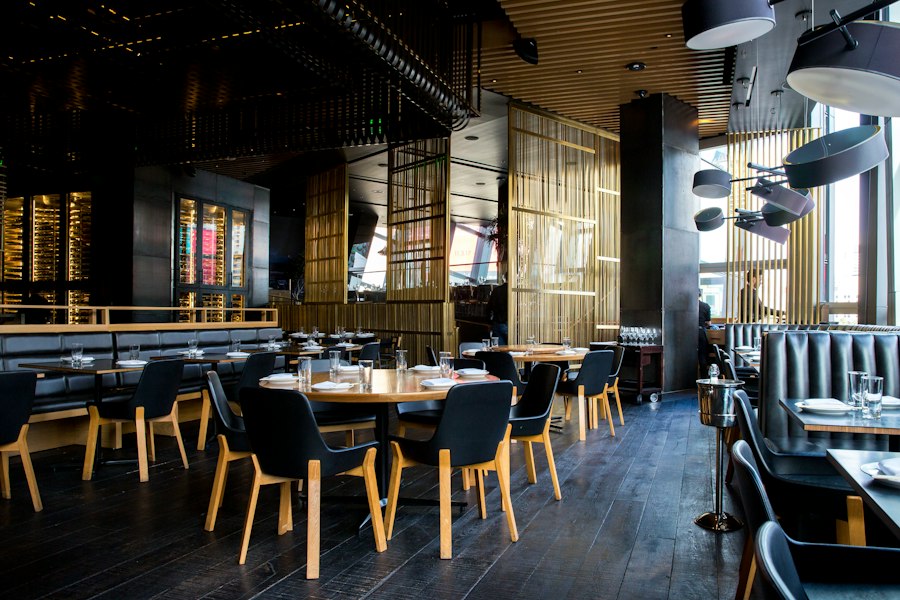
Pizzerias in the United States generally operate under one of three service models: dine-in only, takeaway only, or a combination of both. Dine-in pizzerias provide seating areas where customers can enjoy their meals on-site. These establishments often feature a more extensive atmosphere, with tables, chairs, and sometimes additional amenities such as televisions, music, or decorative elements that enhance the dining experience. The dine-in model emphasizes the social aspect of pizza consumption, encouraging customers to linger and enjoy their meals in a communal setting.
Takeaway-focused pizzerias, sometimes called pizza takeout or delivery establishments, prioritize convenience and speed. These locations may have minimal or no seating, instead focusing on efficient order processing and packaging for customers who wish to enjoy their pizza elsewhere. The takeaway model has evolved significantly with the advent of online ordering and delivery services, making it easier than ever for customers to enjoy pizzeria-quality pizza at home or in other settings.
Many modern pizzerias successfully combine both approaches, offering comfortable seating for dine-in customers while also maintaining efficient takeaway and delivery operations. This hybrid model allows establishments to serve a broader customer base and adapt to changing consumer preferences and dining habits.
Traditional Preparation Methods
The preparation methods used in pizzerias reflect both traditional techniques and modern innovations. At the heart of pizza preparation is the dough, which typically consists of flour, water, yeast, and salt. The quality and handling of the dough significantly impact the final product, with many pizzerias developing their own unique recipes and fermentation processes. Some establishments use sourdough starters or allow their dough to ferment for extended periods to develop complex flavors and improved texture.
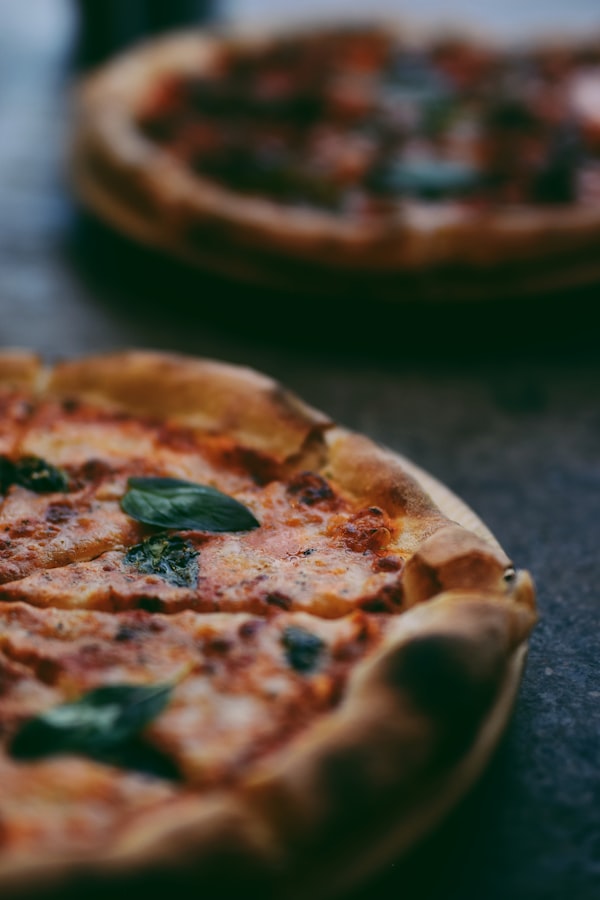
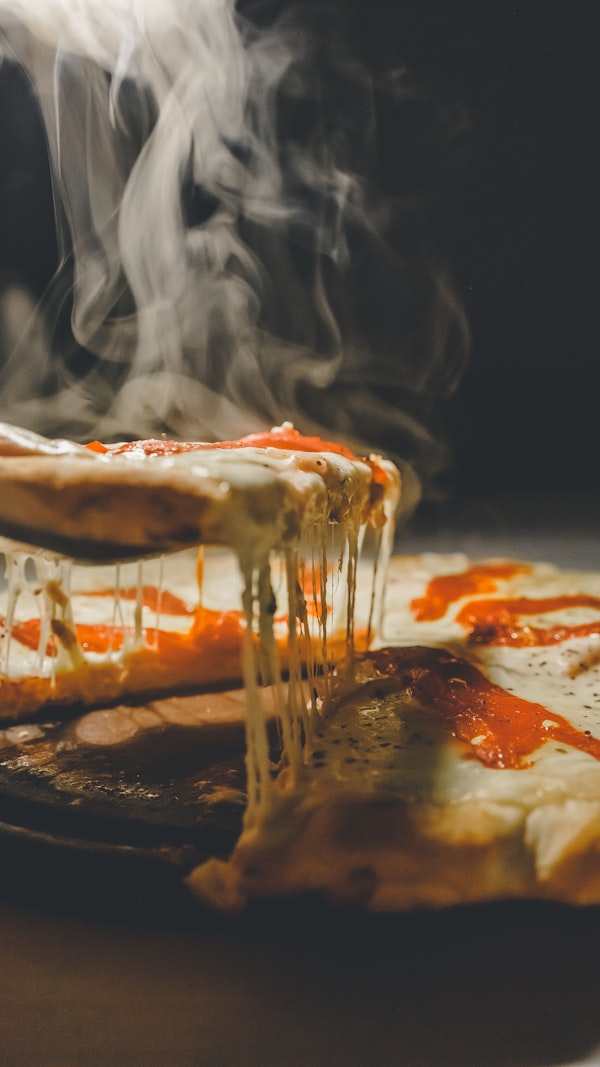
Sauce preparation is another critical aspect of pizzeria operations. Traditional pizza sauces are typically tomato-based, often incorporating herbs, spices, and sometimes other ingredients to create distinctive flavor profiles. Some pizzerias make their sauces fresh daily, while others use prepared sauces that they customize to their specifications. The sauce serves as the foundation for the pizza, complementing the crust and toppings while adding moisture and flavor.
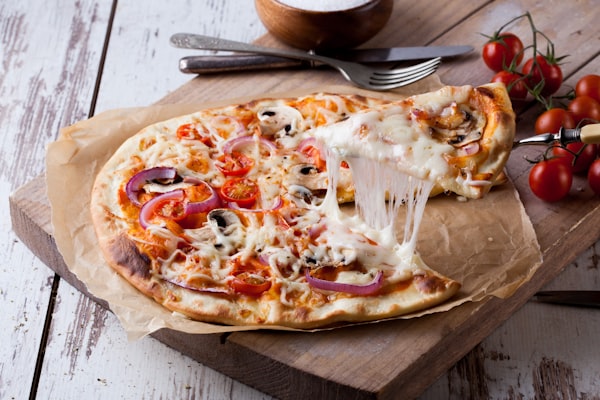
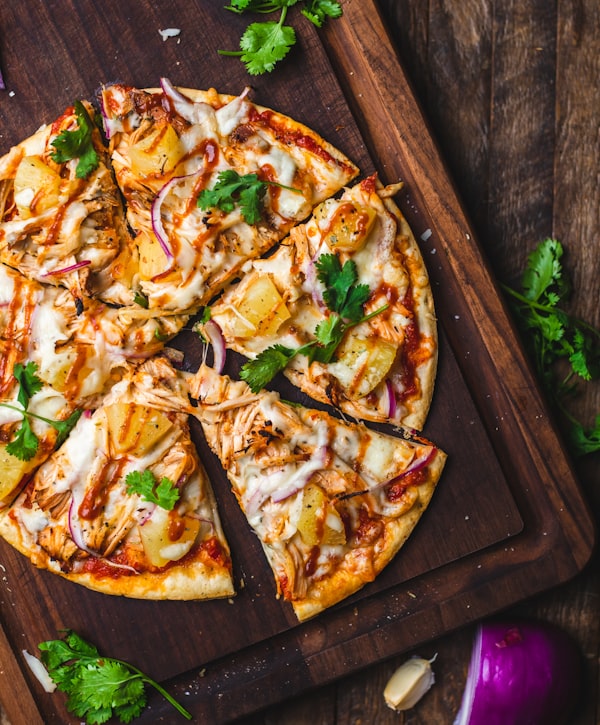
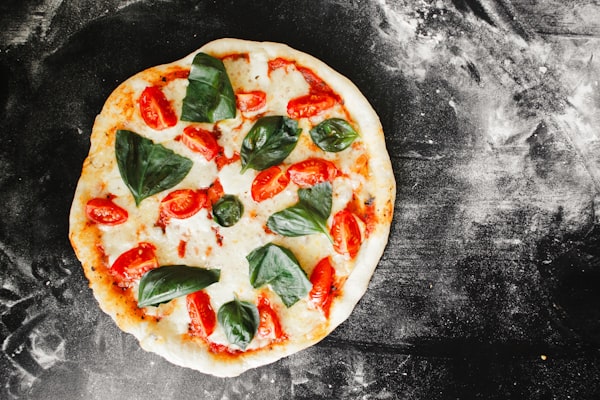
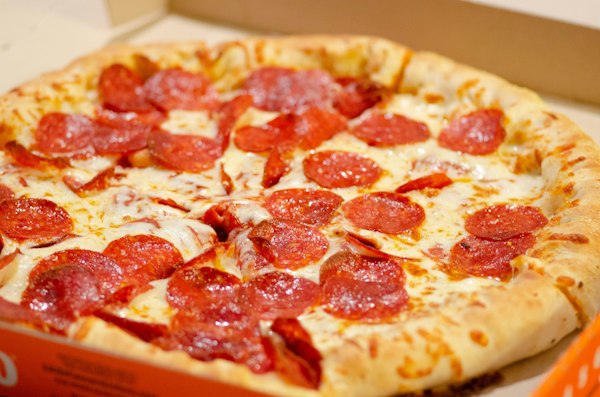
Topping selection and application require both skill and artistry. Pizzerias typically offer a range of standard toppings such as cheese, pepperoni, mushrooms, peppers, and onions, along with specialty options that reflect regional preferences or culinary creativity. The arrangement of toppings affects both the visual appeal and the eating experience, with experienced pizza makers understanding how to distribute toppings evenly for optimal flavor and texture in every bite.
The Community Dining Experience
Beyond the food itself, pizzerias play a significant role in community life. They serve as gathering places where people come together to share meals, celebrate occasions, and build relationships. The casual, welcoming atmosphere of most pizzerias makes them accessible to people of all ages and backgrounds, fostering a sense of inclusivity and community connection.

The communal nature of pizza consumption contributes to this social function. Unlike individually plated meals, pizza is typically shared, with everyone partaking from the same pies. This sharing aspect encourages conversation and interaction, making pizzerias ideal settings for social gatherings, family meals, and group celebrations. The act of breaking bread together has long been recognized as a powerful social bond, and pizzerias continue this tradition in a distinctly American context.
Pizzerias also contribute to local economies and neighborhood character. Many are independently owned and operated, becoming integral parts of their communities. They often sponsor local events, support school fundraisers, and participate in community initiatives, further strengthening their connections to the areas they serve. This community involvement helps establish pizzerias as more than just businesses—they become valued institutions that contribute to the social fabric of their neighborhoods.
Evolution and Adaptation
While maintaining their core identity as pizza-focused establishments, pizzerias have demonstrated remarkable adaptability over the decades. They have evolved to meet changing consumer preferences, dietary needs, and technological advancements. Modern pizzerias often offer gluten-free crust options, vegan cheese alternatives, and other accommodations for customers with dietary restrictions or preferences.
Technology has also transformed pizzeria operations. Online ordering systems, mobile apps, and delivery platforms have made it easier for customers to access pizzeria offerings. Many establishments have embraced these technologies while maintaining the quality and personal touch that define the pizzeria experience. This balance between tradition and innovation allows pizzerias to remain relevant and competitive in a rapidly changing food service landscape.
As American food culture continues to evolve, pizzerias remain steadfast in their role as beloved community institutions. Their ability to provide satisfying, shareable meals in welcoming environments ensures their continued popularity and importance in American dining culture. Whether serving a quick lunch to office workers, hosting a family celebration, or providing comfort food during challenging times, pizzerias continue to fulfill their essential role in American society.